C4EE’s Solar DIY Workshop marks the beginning of a summer series exploring how solar energy can support agriculture, portable power, and future innovations in renewable energy
ROANOKE RAPIDS, N.C. — The Center for Energy Education (C4EE) has kicked off the next phase of its Solar DIY Workshop Series, using hands-on renewable energy education as the foundation for a broader effort in applied research, community collaboration, and practical solutions to real-world energy challenges.
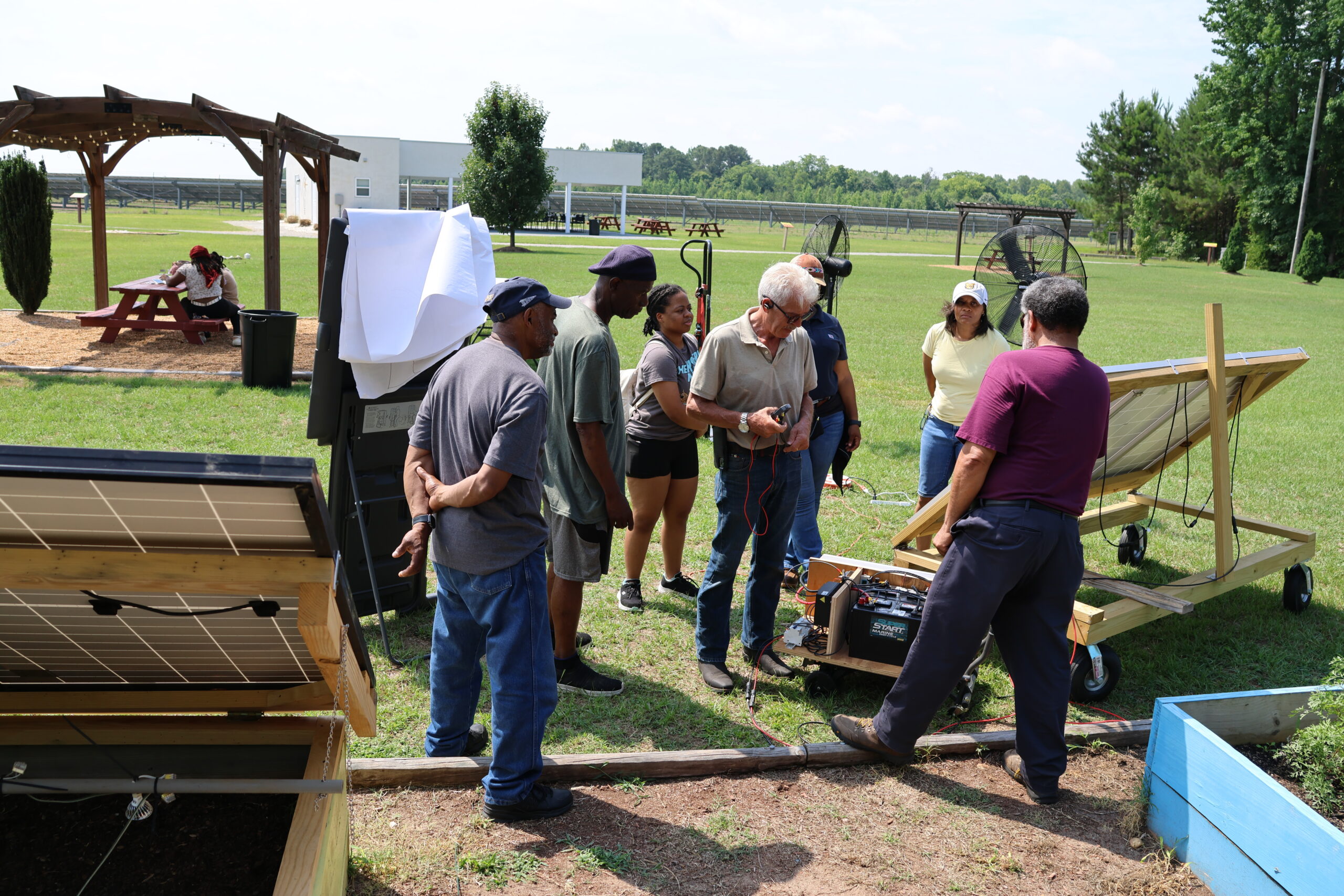
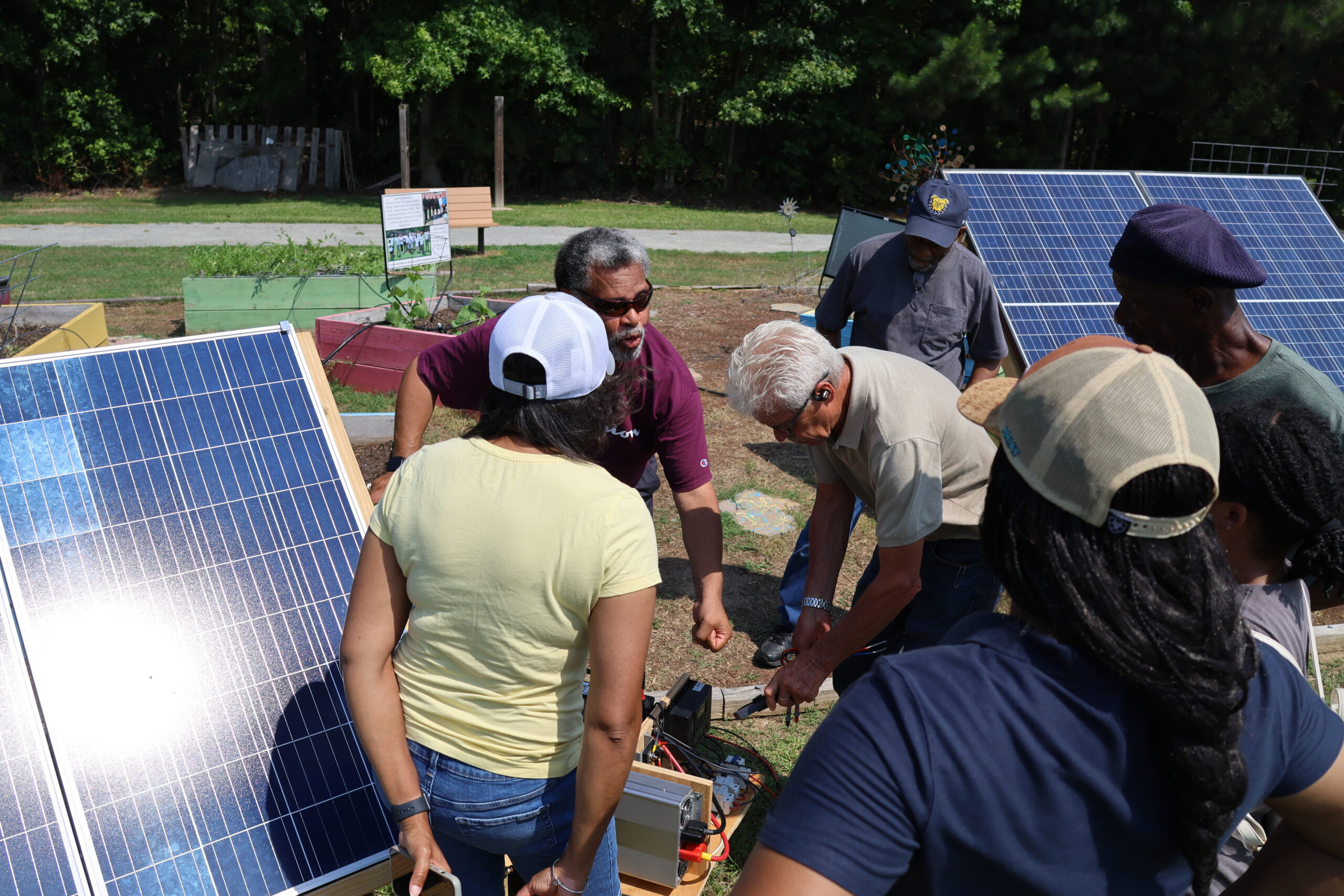
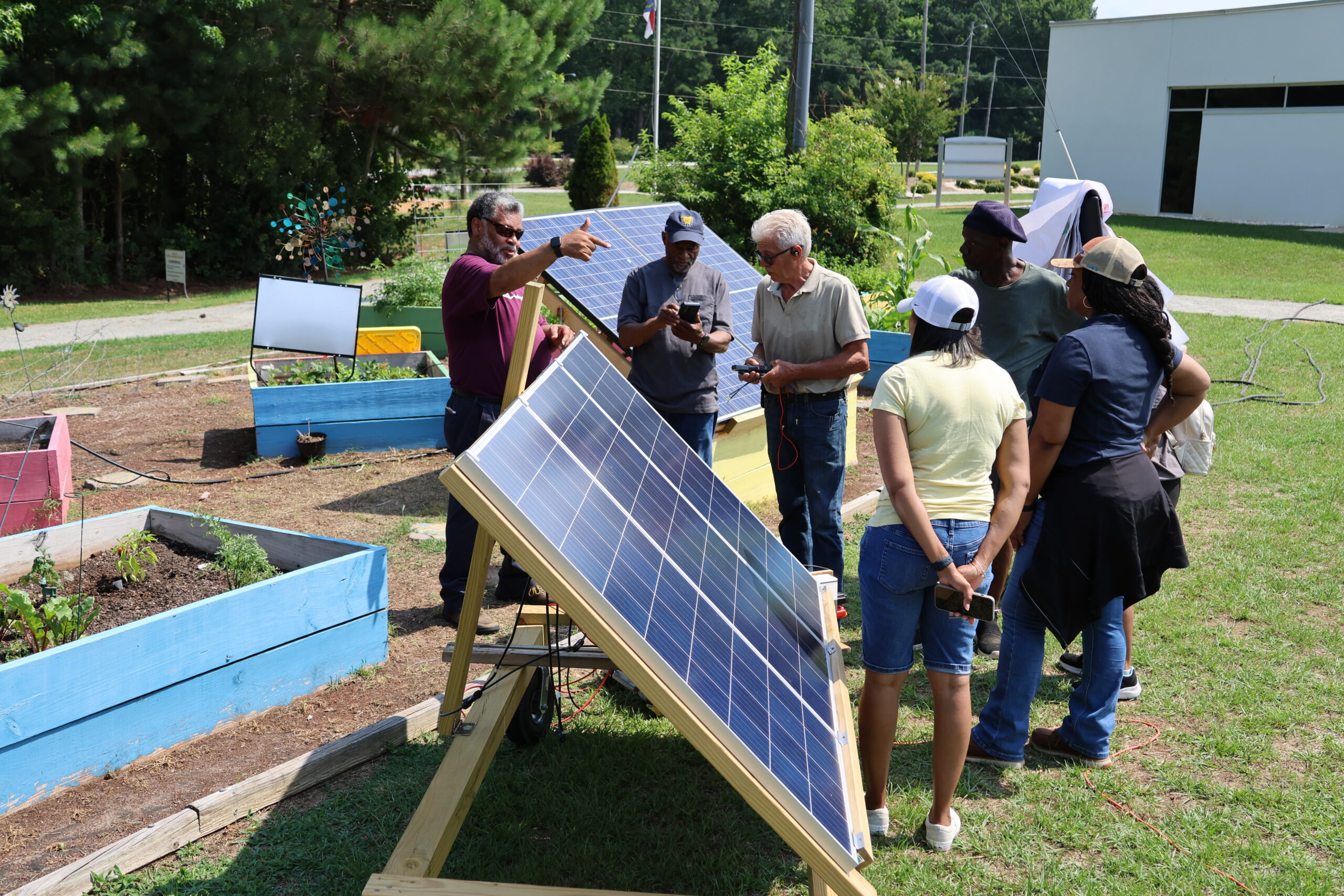
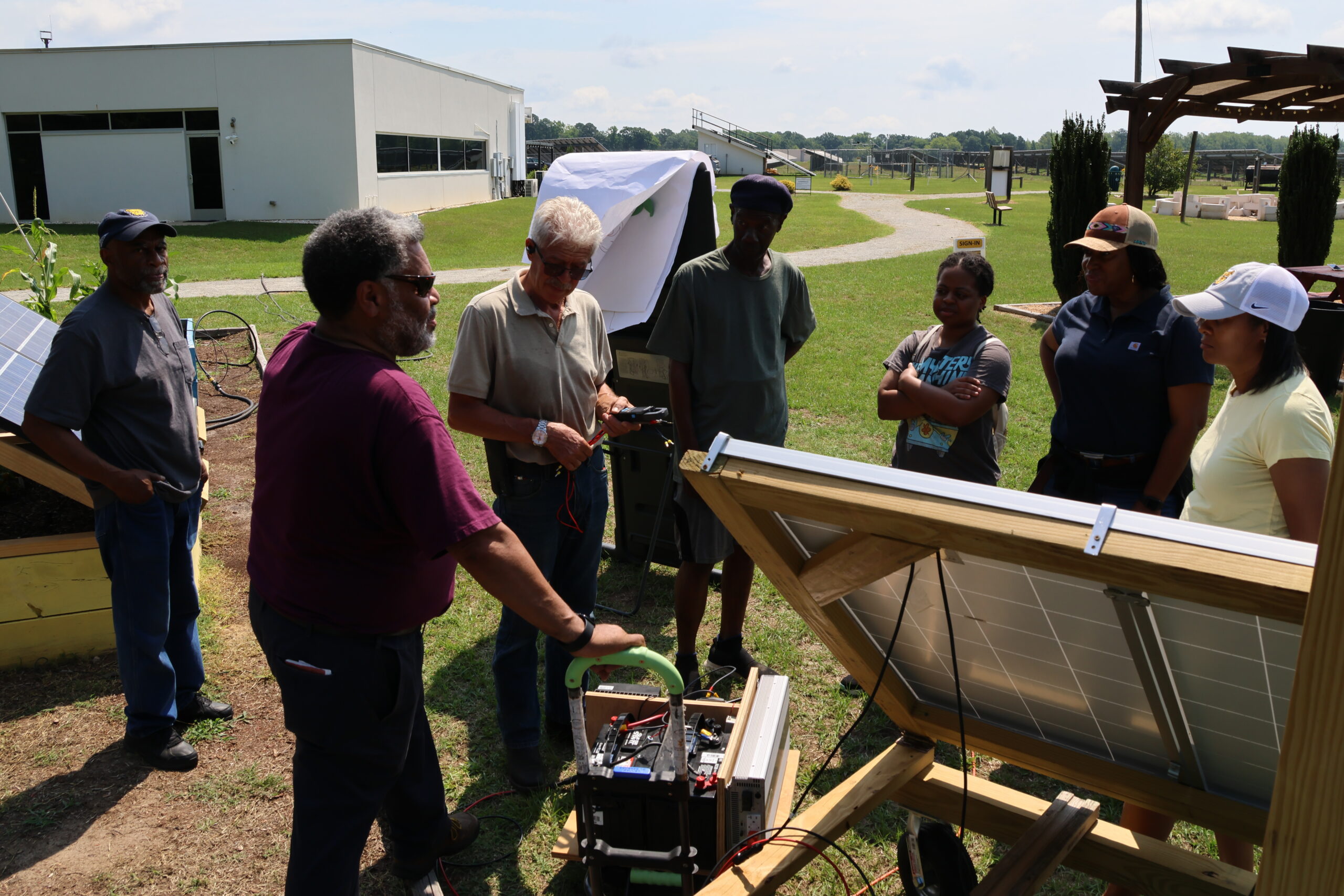
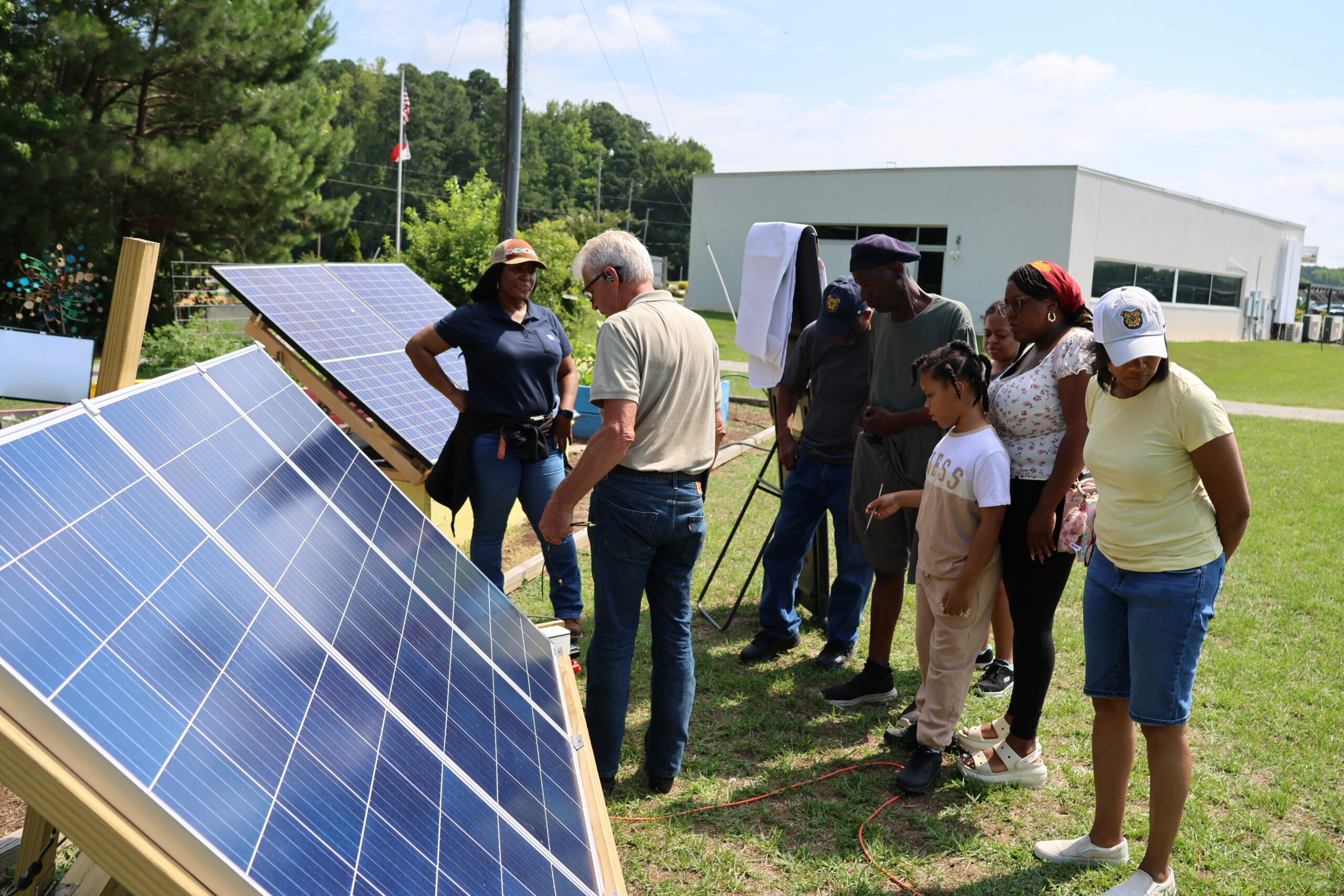
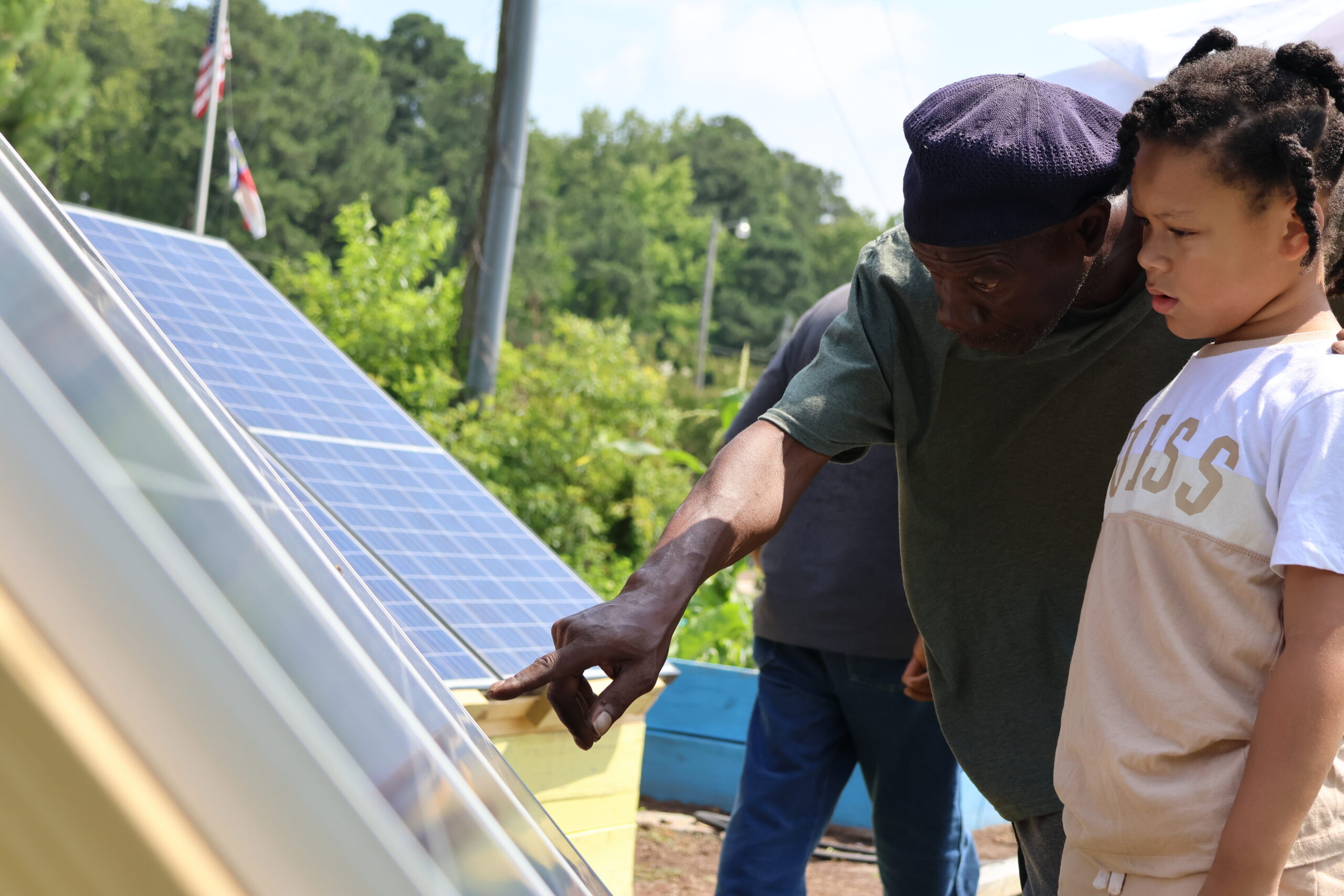
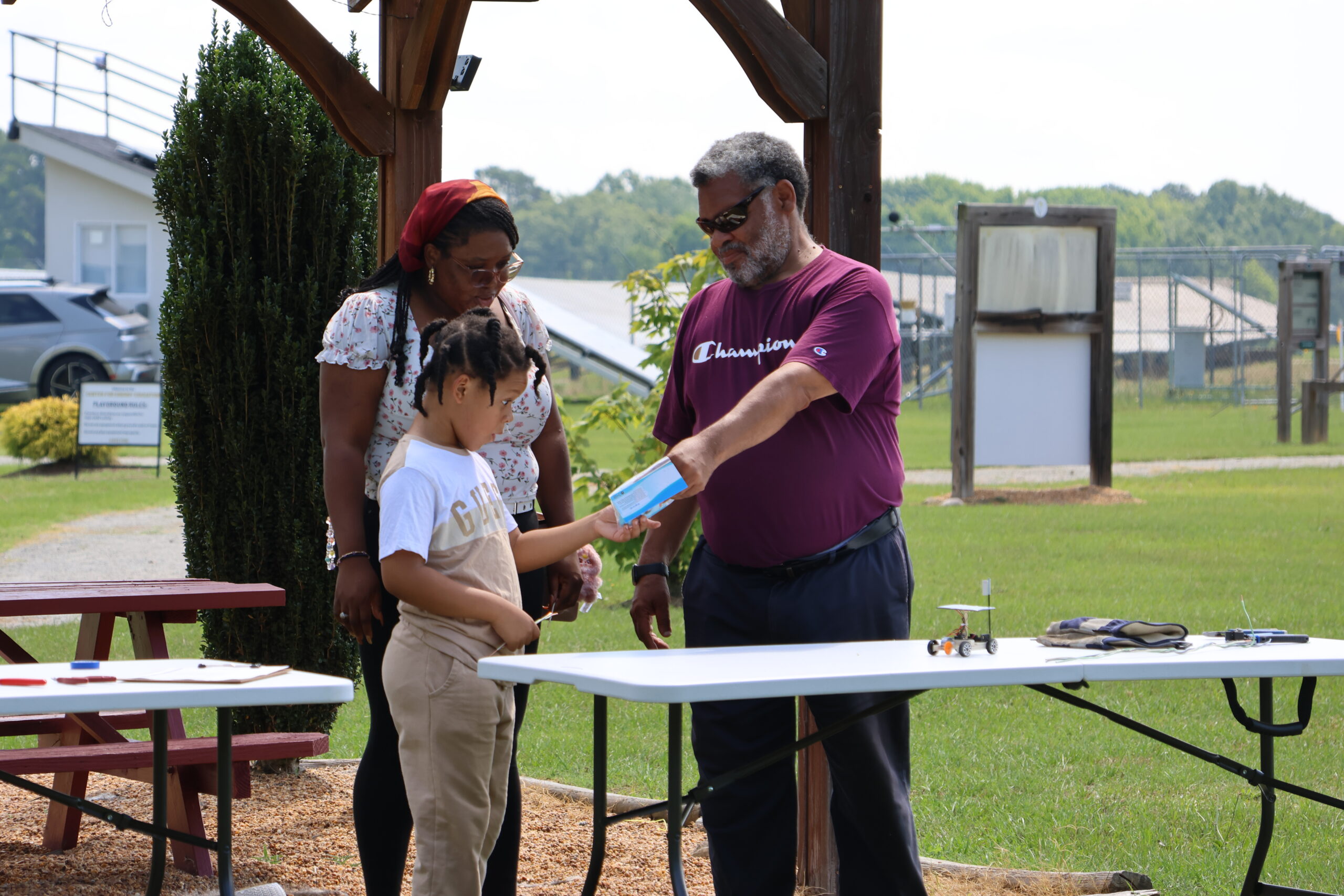
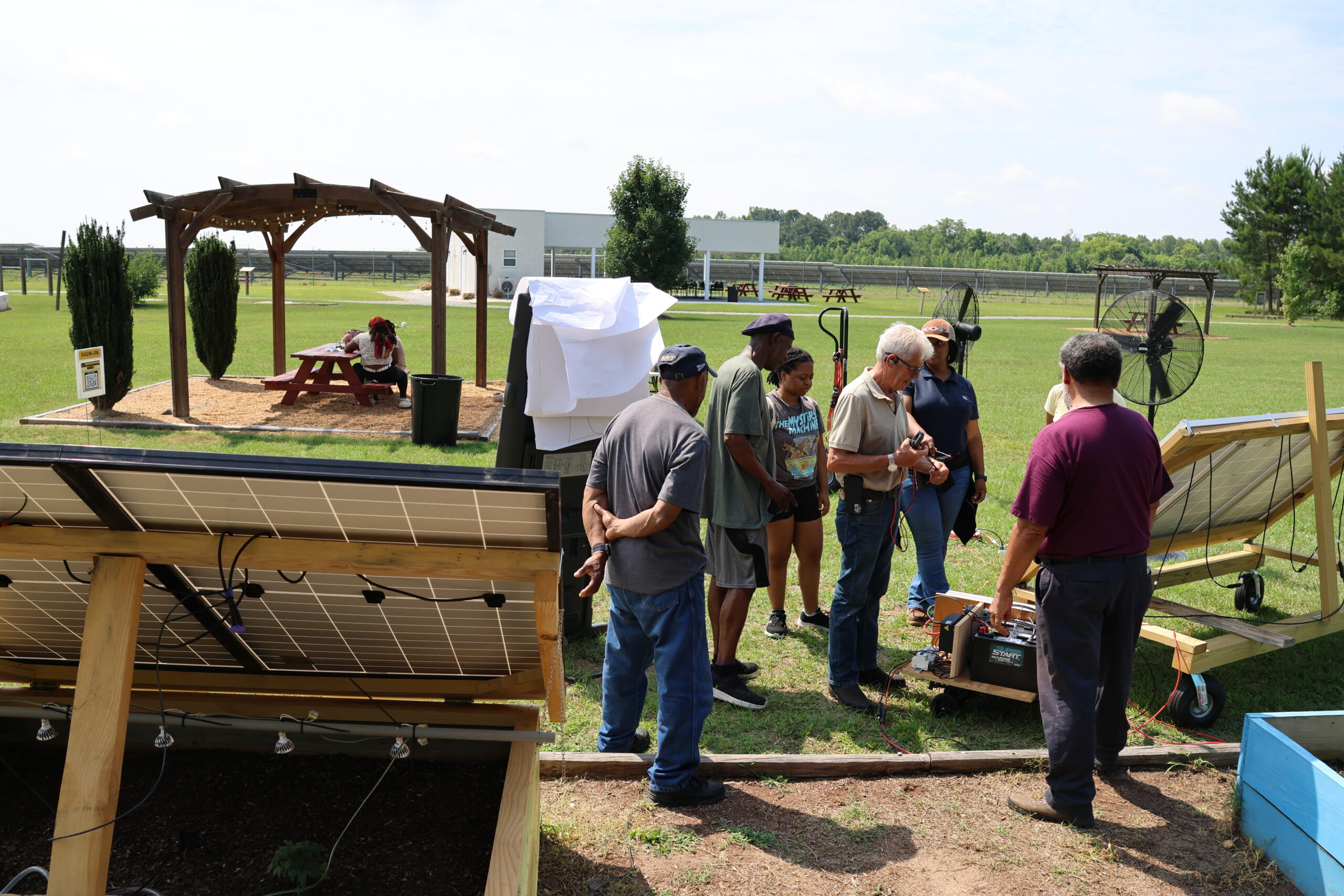
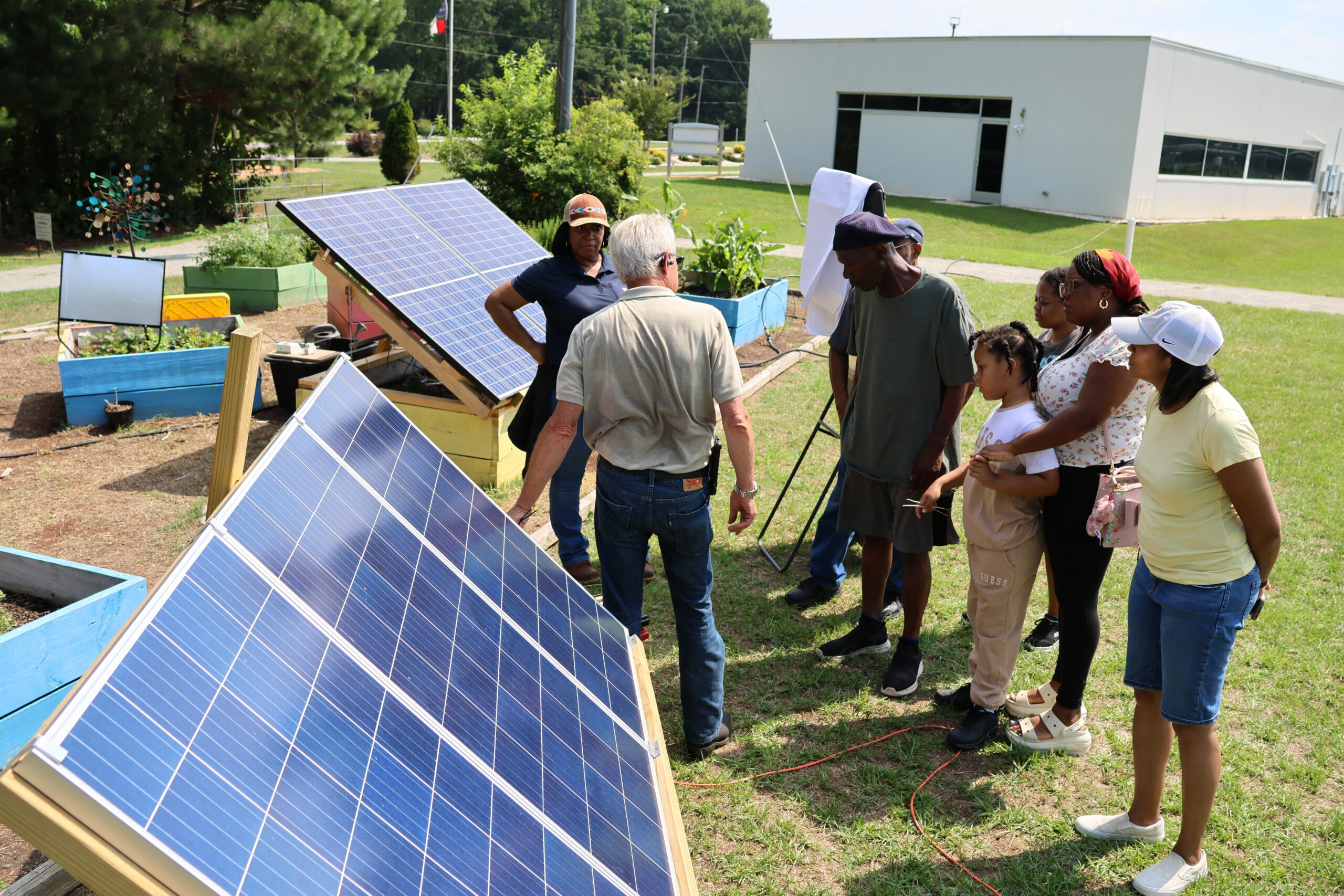
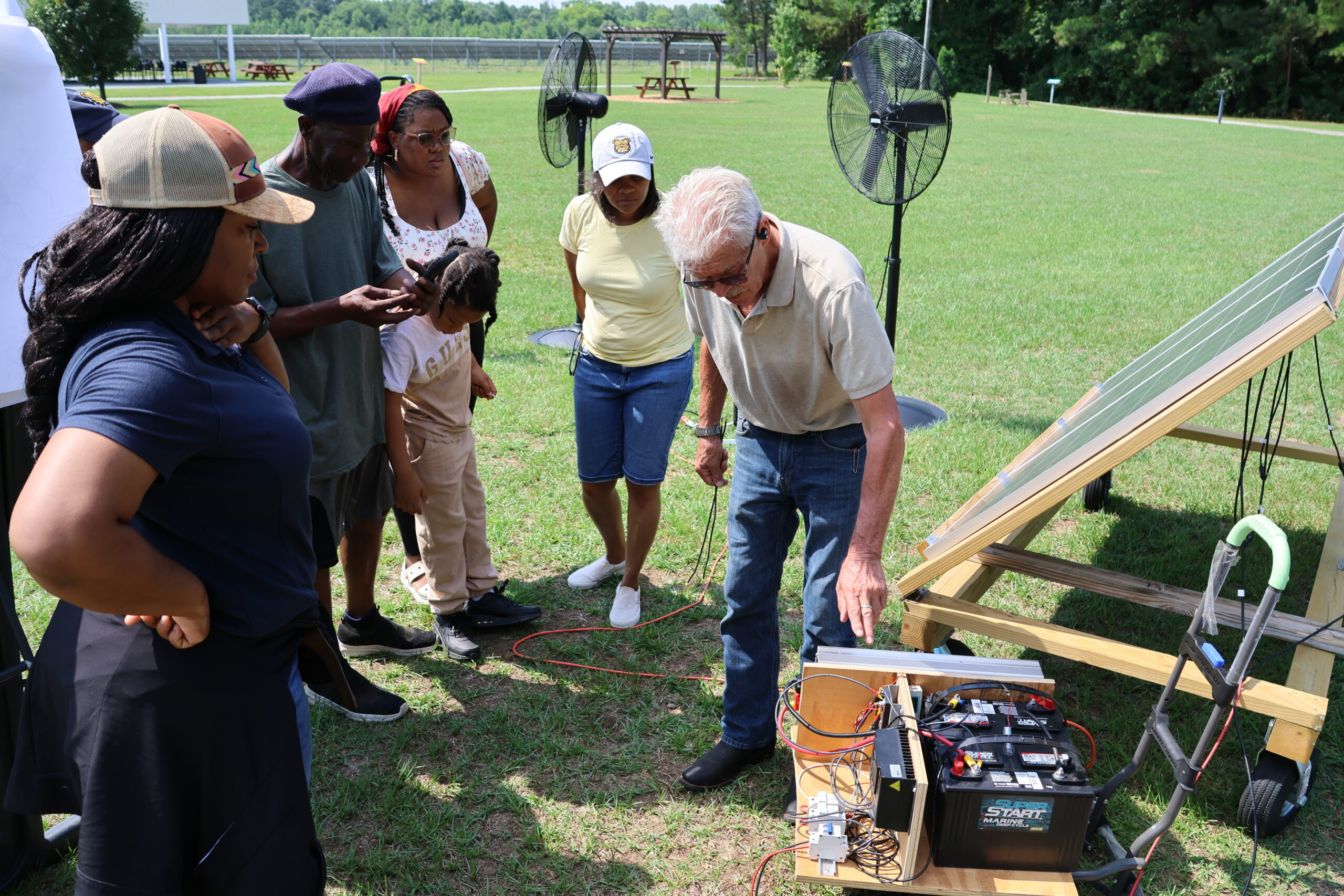
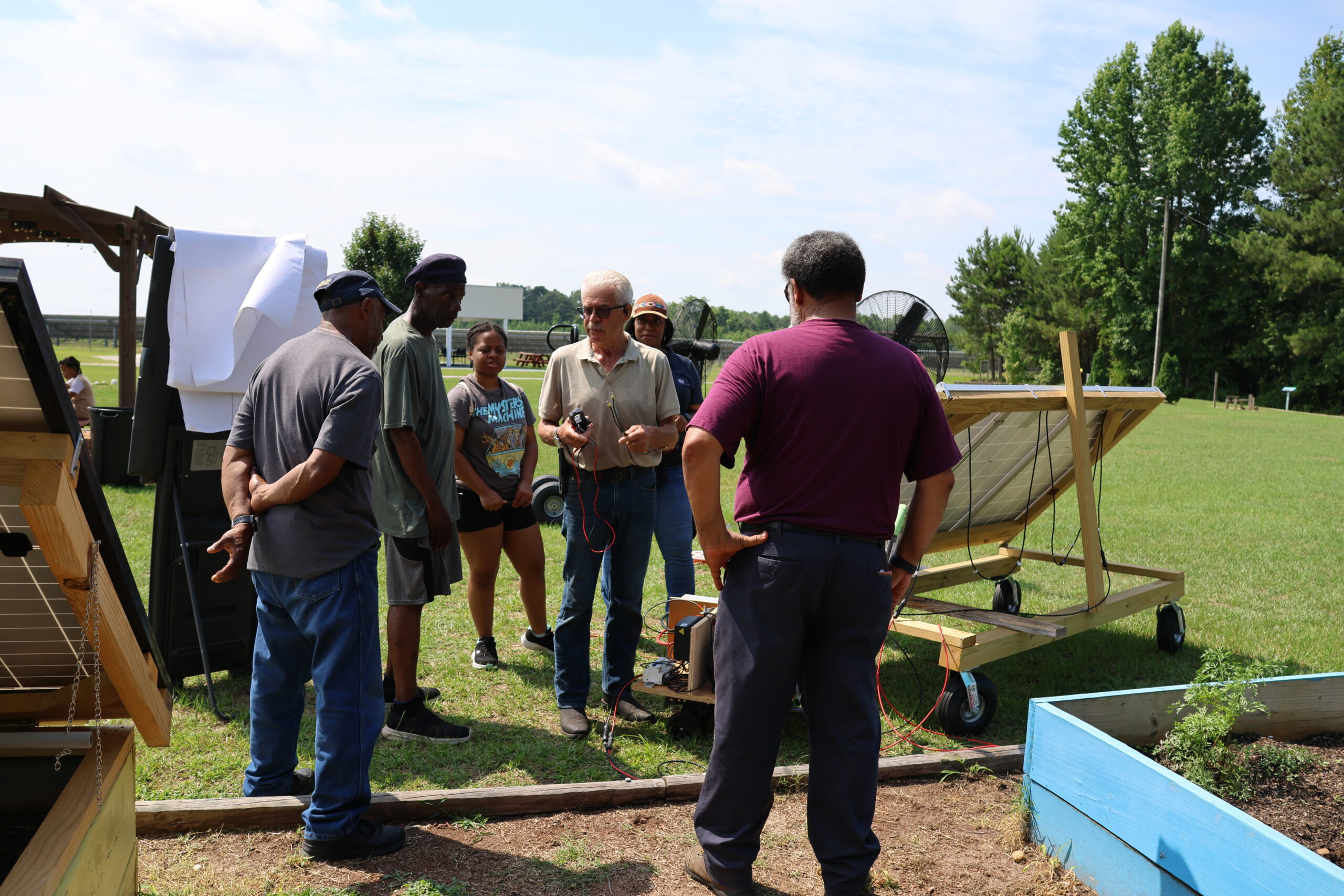
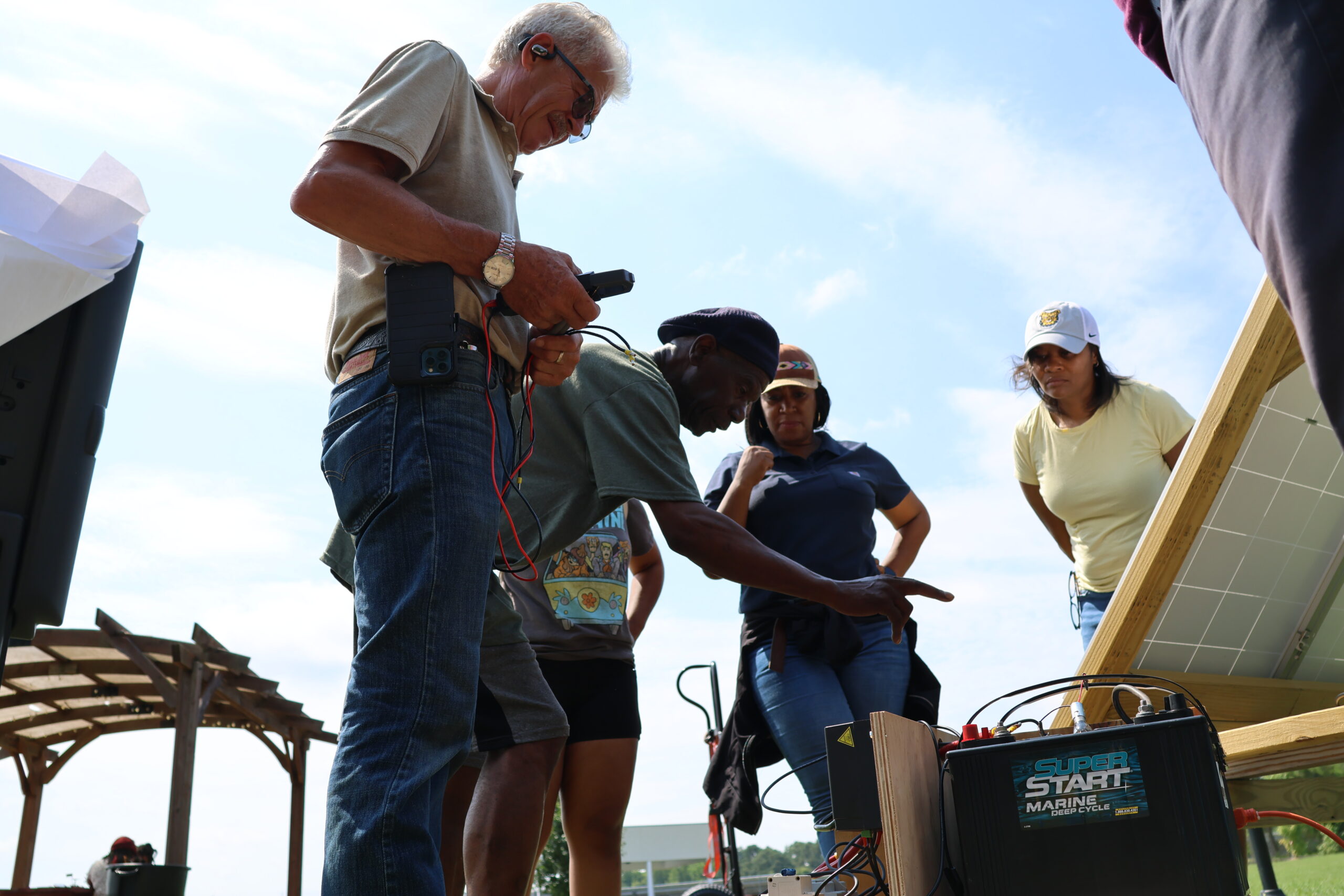
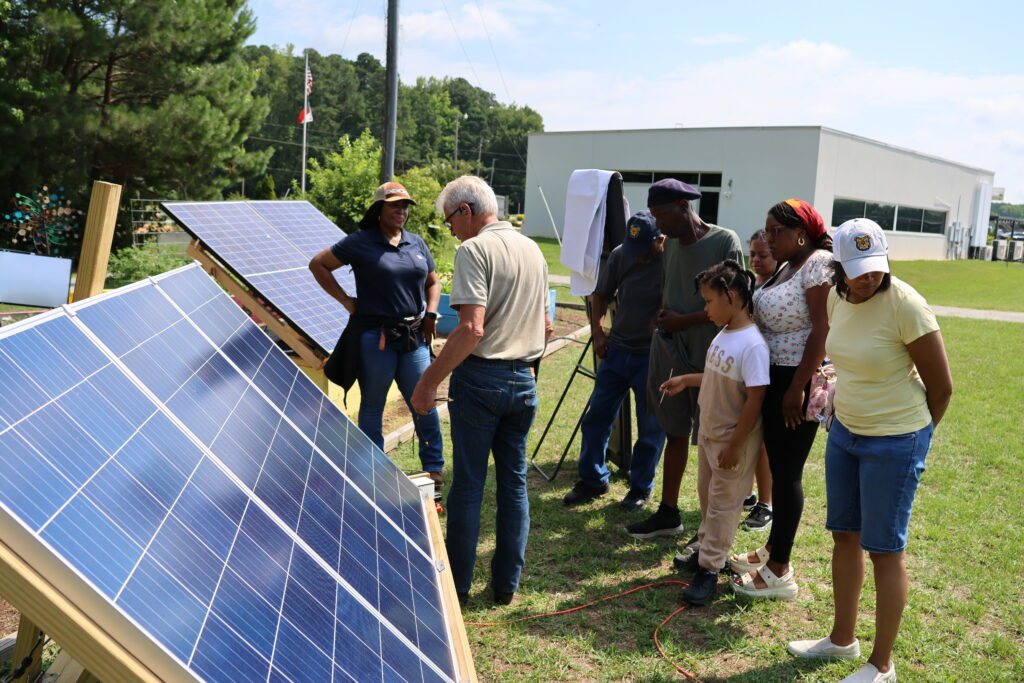
The next phase began on Saturday, June 27, when C4EE hosted its latest Solar DIY Workshop. While participants learned the fundamentals of solar-powered generators through hands-on activities, the workshop also marked the beginning of a broader vision for the Solar DIY Workshop Series—one that will connect future workshops through ongoing research and participant-driven innovation.
“I really enjoyed the workshop. I liked learning the different ways of approaching solar projects, especially the idea of growing under solar panels,” said Anita Knight, a local engineer and Solar DIY Workshop participant. “Being able to start with a small DIY project helps people understand the different components. If they decide to go bigger later, they already have that basic understanding.”
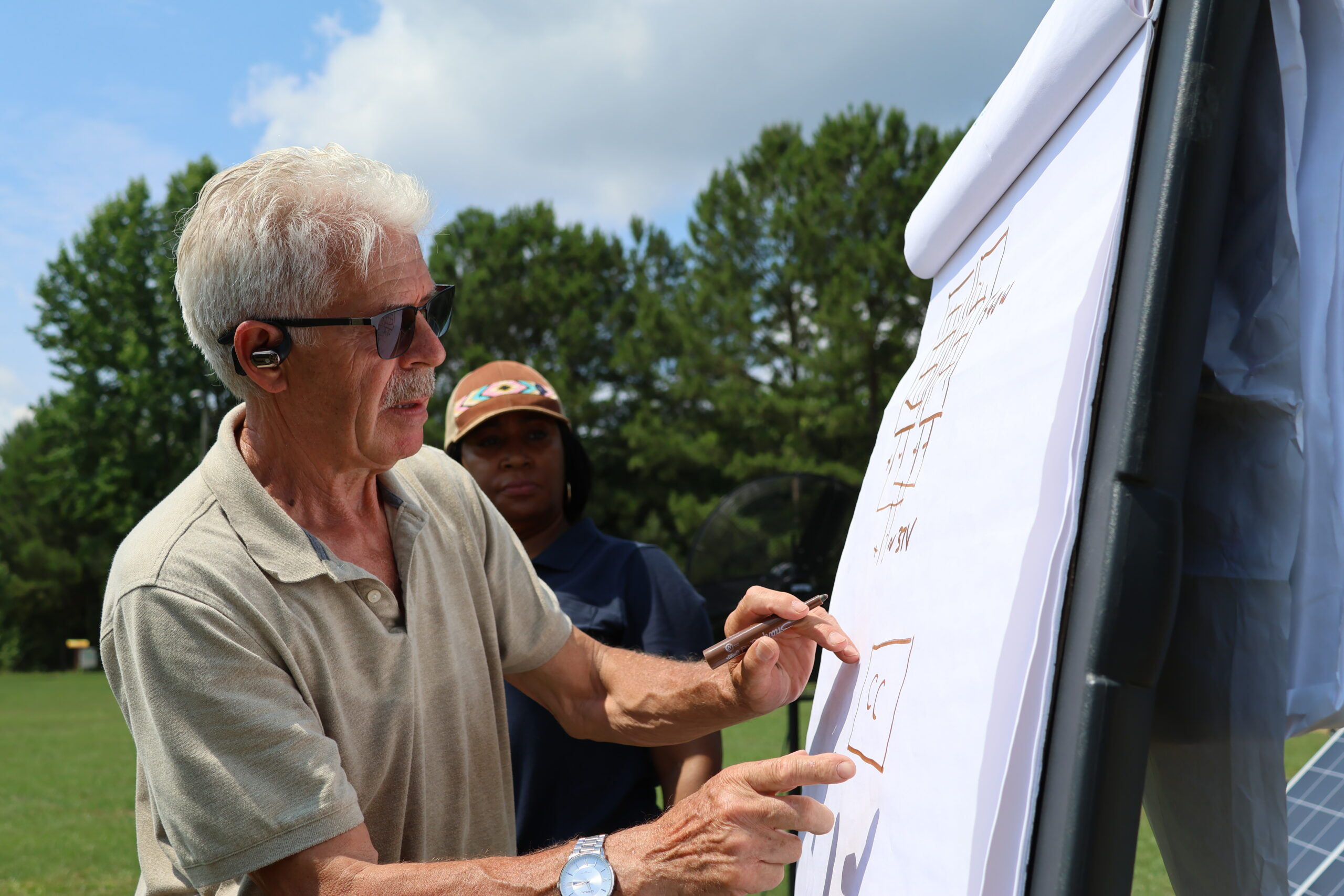
According to workshop instructors Dr. Walter Lowe and engineer Dipl.-Ing. Klaus Beckold, creating those kinds of practical learning experiences is only one of the objectives of the evolving workshop series.
“This workshop is the beginning of a larger effort to explore how renewable energy can solve real-world challenges,” said Dr. Lowe. “Our goal is to create opportunities for people to learn by doing while exploring how solar technology can support agriculture, portable power, and future innovation. We want our campus to become a living laboratory where education, research, and community ideas come together.”
As the Solar DIY Workshop Series grows, C4EE plans to expand beyond introductory demonstrations by using each workshop to explore new renewable energy applications and gather ideas that can inform future projects.
Agrivoltaics—integrating solar energy production with agriculture—is one of the first research areas the series will explore, alongside portable power systems and other practical renewable energy technologies.
During the workshop, participants explored how solar-powered grow lights and irrigation systems can contribute to future agrivoltaics research. Workshop instructor Dipl.-Ing. Beckold explained that one area of the research will examine how conditions beneath solar arrays may benefit certain plants.
“While the solar panel blocks some of the sunlight, there are advantages for plants that require less direct sunlight,” said Dipl.-Ing. Beckold. “By choosing plants that would suffer detrimental effects caused by too much sunlight, we hope to devise ways to enhance plant growth and quality.”
Future workshops in the series will continue building on these concepts while encouraging participants to bring forward their own renewable energy ideas and applications. As those projects develop, C4EE plans to integrate weather data, environmental sensors, demonstration plots, and other research tools into what organizers envision as a living laboratory where education, applied research, and workforce development reinforce one another.
As C4EE continues to expand the Solar DIY Workshop Series, community members interested in participating in future workshops are encouraged to complete an online interest form at: https://bit.ly/4b2pirz